Realism
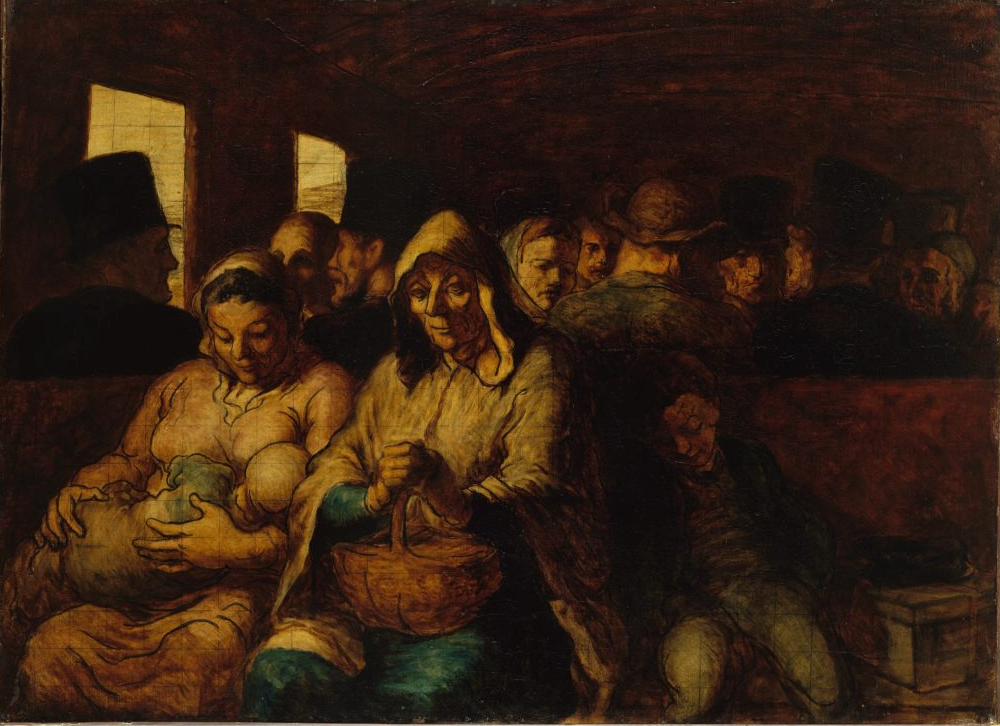
Historical
Launched in the 1840s by Gustave Courbet and Jean-François Millet, this subcategory rejected idealized academic styles to paint ordinary laborers and rural scenes exactly as they were and later in the 19th and early 20th centuries, captured the gritty reality of expanding urban landscapes and changing social structures, popularized by artists like Winslow Homer and Edward Hopper.
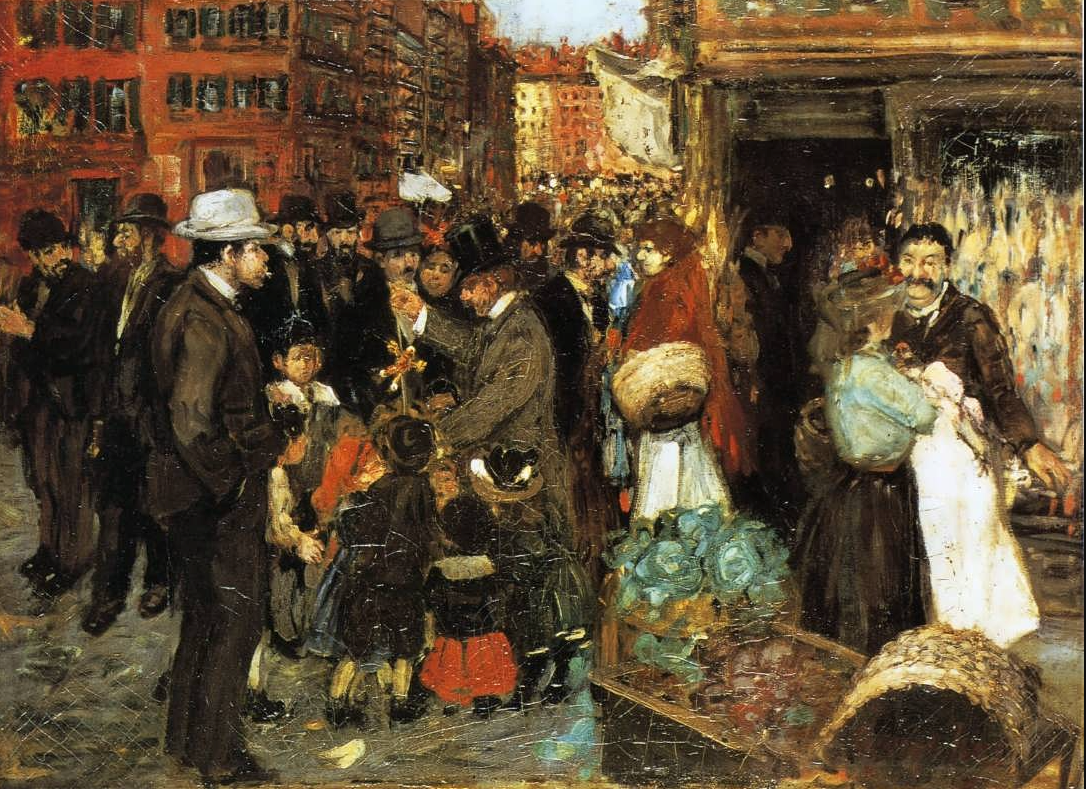
Geographical Movements
The Ashcan School portrayed gritty urban life in early 20th-century New York, while Social Realism used realistic imagery to expose social and economic injustice. Socialist Realism, by contrast, was a Soviet state-controlled style promoting communist ideals and heroic workers, whereas Regionalism focused on idealized rural American life during the 1930s.
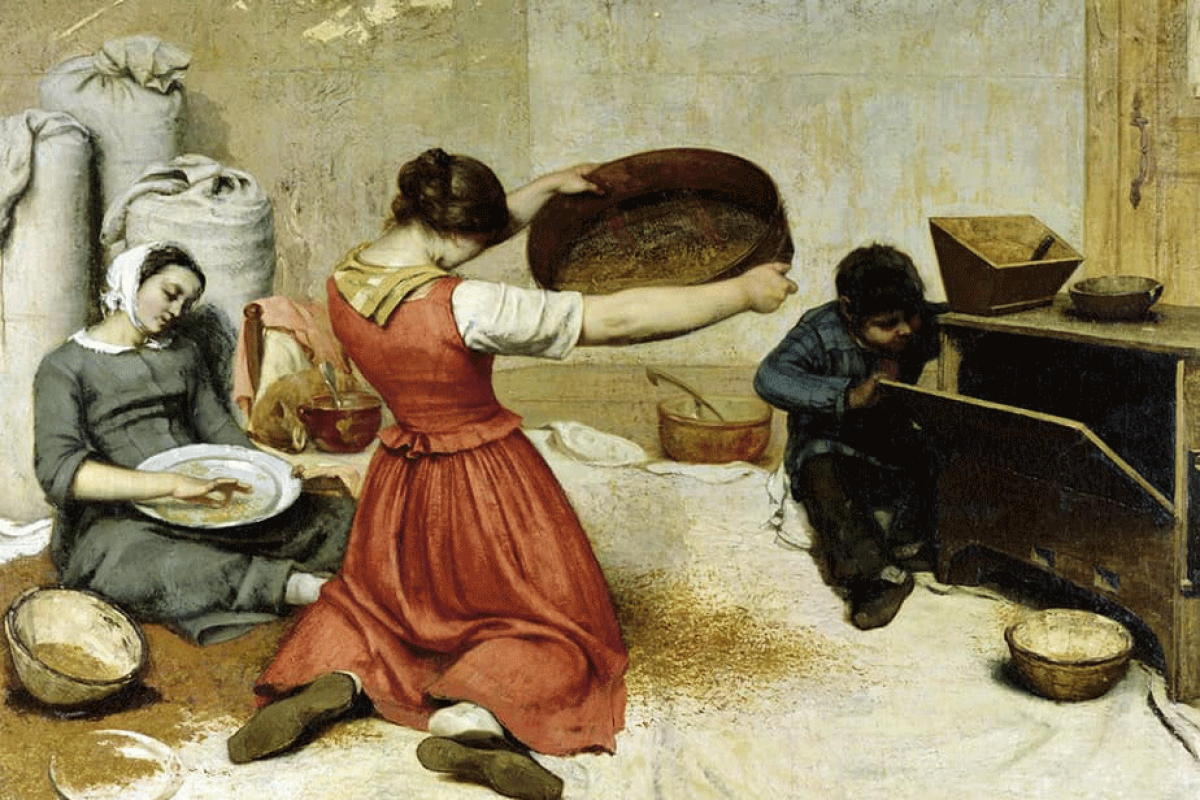
Technical & Stylistic
Naturalism emphasized highly accurate depictions of nature and landscapes, while Classical Realism preserved traditional academic techniques focused on precise drawing and masterful oil painting.
Impressionism
Classic
Classic impressionist paintings are 19th-century artworks that abandoned traditional, highly detailed realism in favor of capturing the fleeting, subjective "impression" of a specific moment. Originating in France, these works are defined by visible brushstrokes, vibrant unblended colors, and a primary focus on how natural light alters the appearance of everyday subjects.
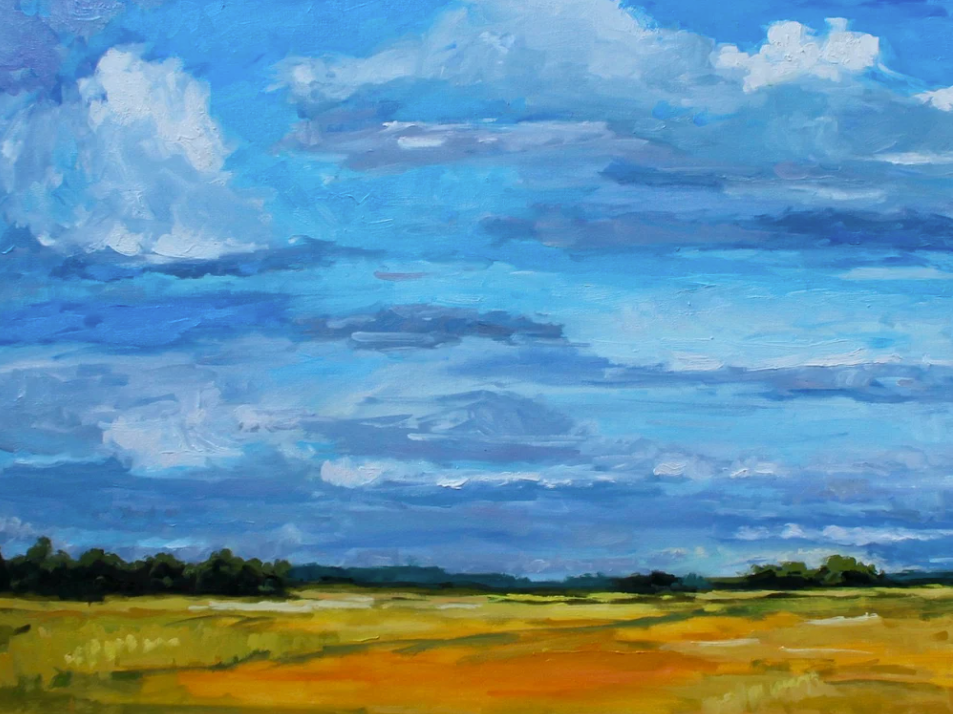
Modern
Modern impressionist paintings are contemporary or 20th/21st-century artworks that apply the foundational techniques of the original 19th-century Impressionist movement—such as loose brushwork, spontaneous slices of life, and optical color mixing—but utilize bolder, non-traditional color palettes, modern subject matter, and experimental materials.
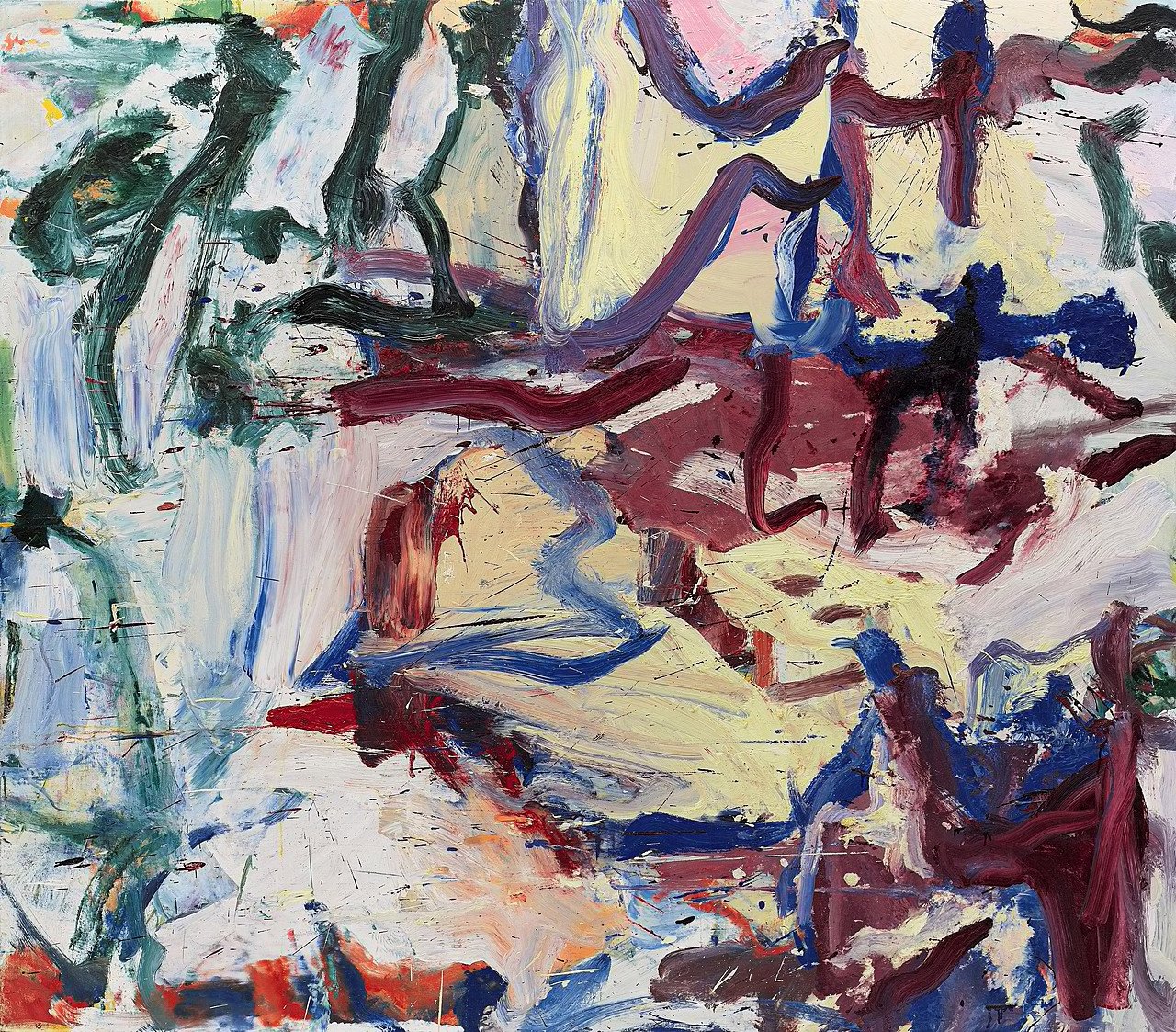
Abstract
Abstract impressionist paintings are a dynamic hybrid art style that emerged in the 1940s, synthesizing the spontaneous emotion and non-objective forms of abstract art with the light, color, and atmospheric qualities of 19th-century Impressionism.
Post Impressionism
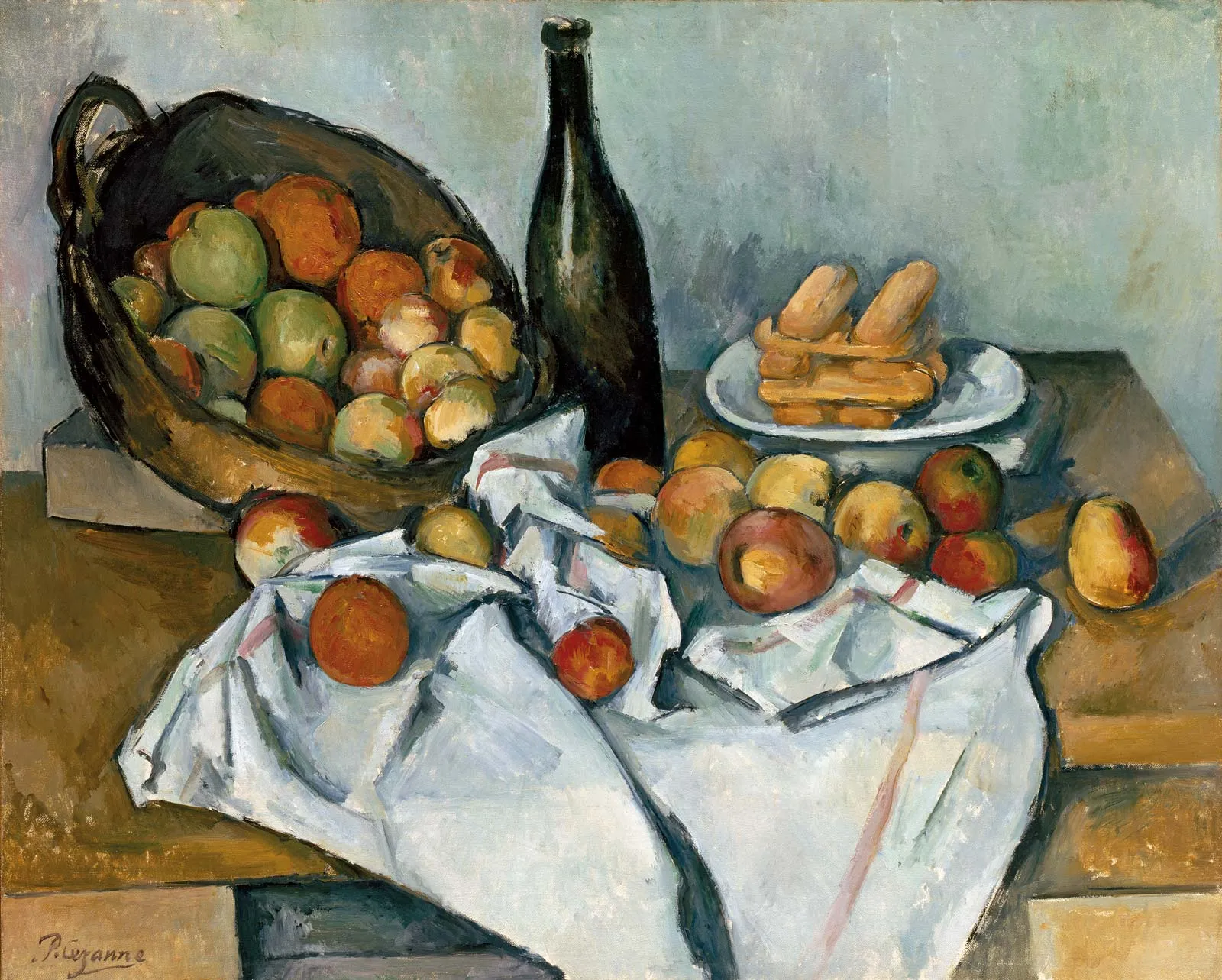
Structured & Geometric
Focuses on order, logic, and bringing geometric structure back to the Impressionist style. Artists in this camp methodically organized their compositions and were major precursors to Cubism. Cézanne broke landscapes and still lifes down into fundamental geometric shapes while Seurat uses tiny, precise dots of complementary colors to create structured, luminous images.
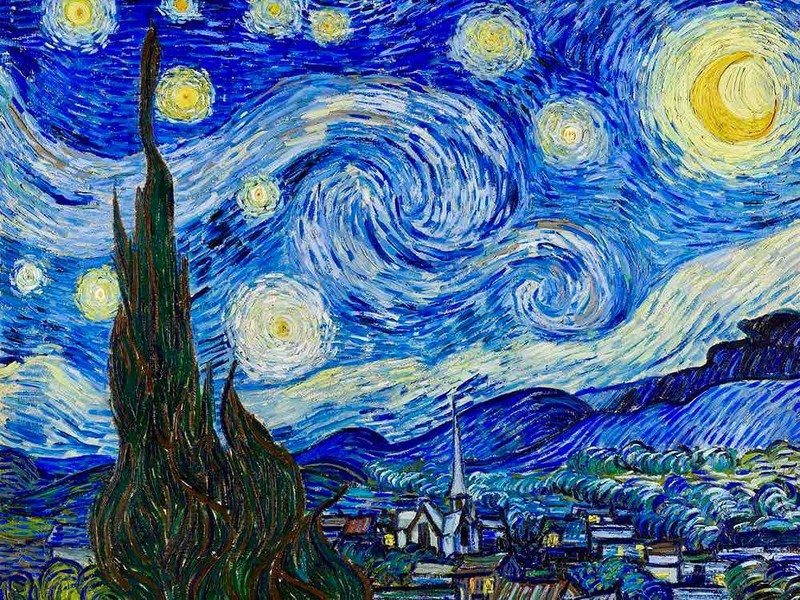
Expressive
Expressive Post-Impressionism is a late 19th-century art movement that rejected the naturalism of Impressionism. Instead of capturing fleeting light and optical impressions, artists used bold, unnatural colors, heavy brushstrokes, and distorted forms to convey deep personal, emotional, and psychological states.
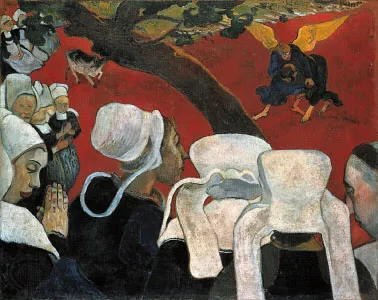
Symbolic & Synthetist
Symbolic and Synthetist art were key branches of Post-Impressionism. Instead of accurately capturing real-world light and color like the Impressionists, these styles emphasized flat planes of vibrant color, strong outlines, and subjective emotions, relying on memory and imagination to convey spiritual and symbolic meaning.
Expressionism
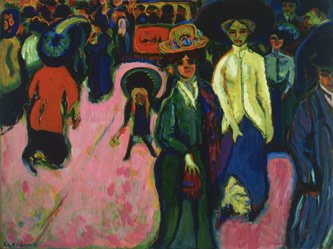
Die Brücke
Die Brücke was formed in Dresden in 1905. Driven by a desire to bridge the gap between traditional art and a radical new future, this sub category rejects academic constraints in favor of raw emotional intensity. Capturing the intense psychological anxieties, alienation, and rapid urbanization of pre-World War II Germany through crude, jagged linework, distorted figures, and a violently unnatural color palette.
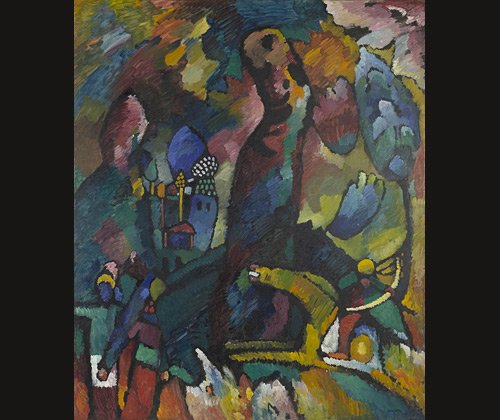
Der Blaue Reiter
Der Blaue Reiter was formed in Munich in 1911. More spiritual and intellectual counterpart to the raw intensity of Die Brücke. This sub category seeks to express internal, mystical truths rather than external realities, believing that color and form possessed direct psychological and spiritual power.
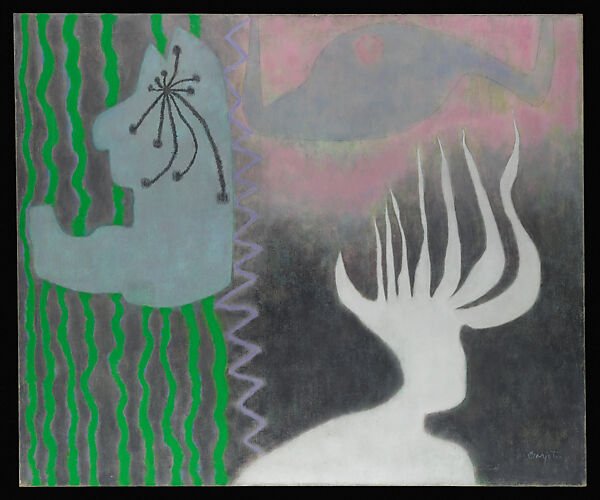
Abstract
Abstract Expressionism emerged in New York City during the 1940s and shifted the center of the art world from Paris to America. This post-World War II movement prioritized the artist's subconscious and emotional state over the depiction of physical objects, resulting in entirely non-representational imagery.
Cubism
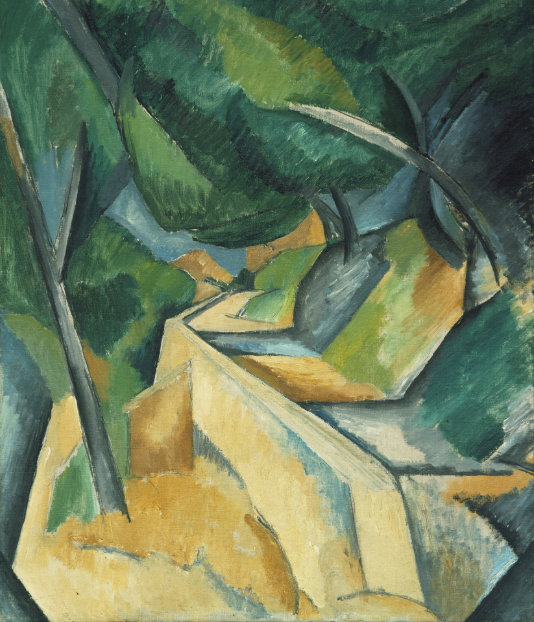
Proto-Cubism
Proto-Cubism was the transitional phase that shattered traditional perspective to launch modern abstract art. Inspired by Paul Cézanne and African tribal masks, Pablo Picasso and Georges Braque fractured figures into blocky, simplified shapes. By flattening the canvas and using muted, earthy colors, they rejected realistic imitation to represent objects as interlocking geometric volumes.
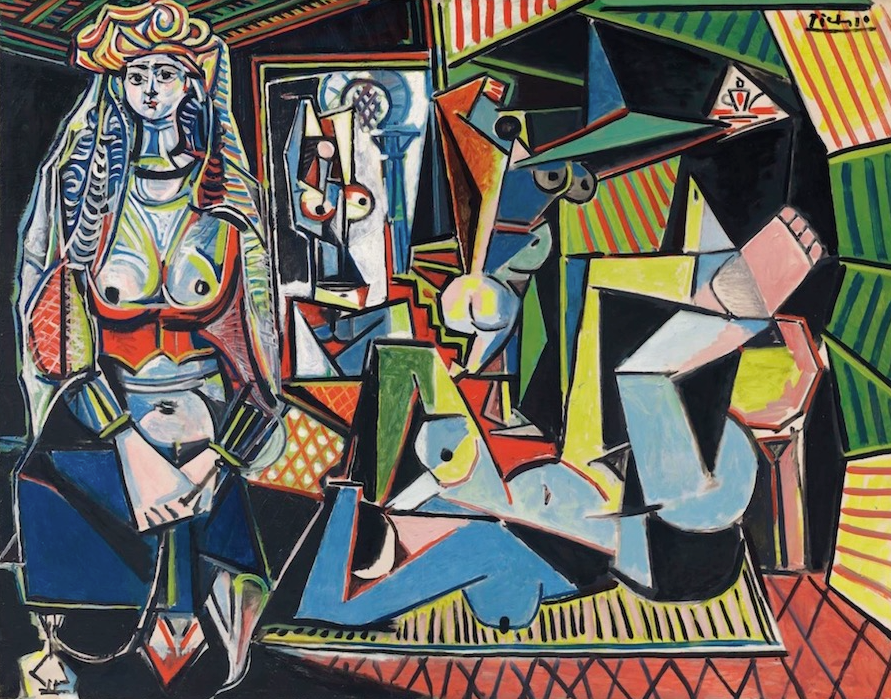
Analytical Cubism
Analytical Cubism systematically dismantled three-dimensional objects into multi-angled geometric facets. Pablo Picasso and Georges Braque analyzed subjects by flattening them and showing multiple viewpoints simultaneously on a single canvas.
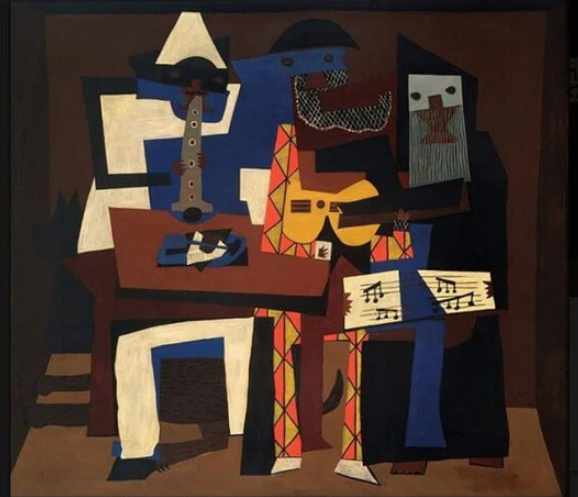
Synthetic Cubism
Synthetic Cubism reversed the analytical process by constructing vibrant, flattened images from simplified shapes and real-world materials. Moving away from total abstraction, Pablo Picasso, Georges Braque, and Juan Gris introduced brighter colors and textures into their work.
Surrealism
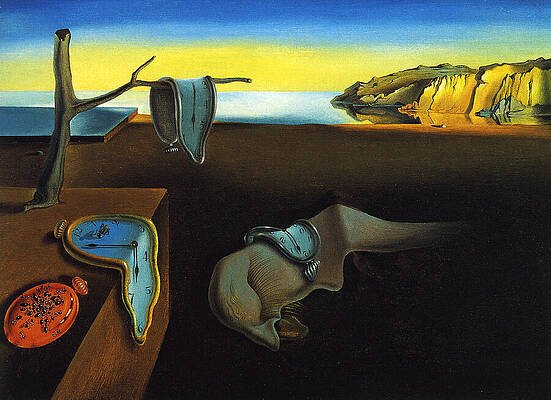
Veristic
Veristic Surrealism renders the illogical world of dreams and the subconscious mind with meticulous, academic precision. Artists do not use abstract shapes; instead, they paint recognizable objects, distorted human anatomy, and vast, unsettling landscapes that completely defy the laws of physics.
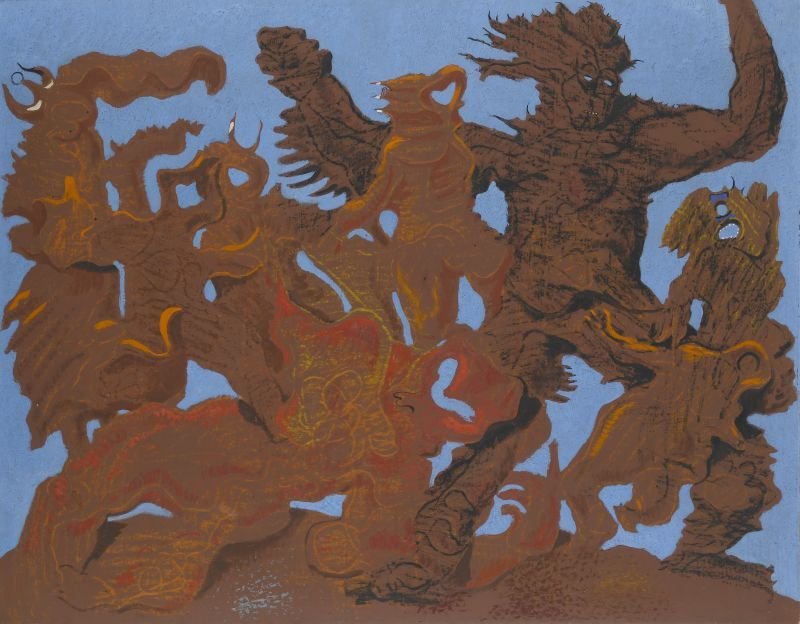
Automata
Automata Surrealism relies on automatism, a process where the artist suppresses conscious control to let the subconscious mind guide the brush. Instead of planning a composition, creators use rapid, spontaneous mark-making, scribbling, and random paint application to tap into raw psychological impulses.
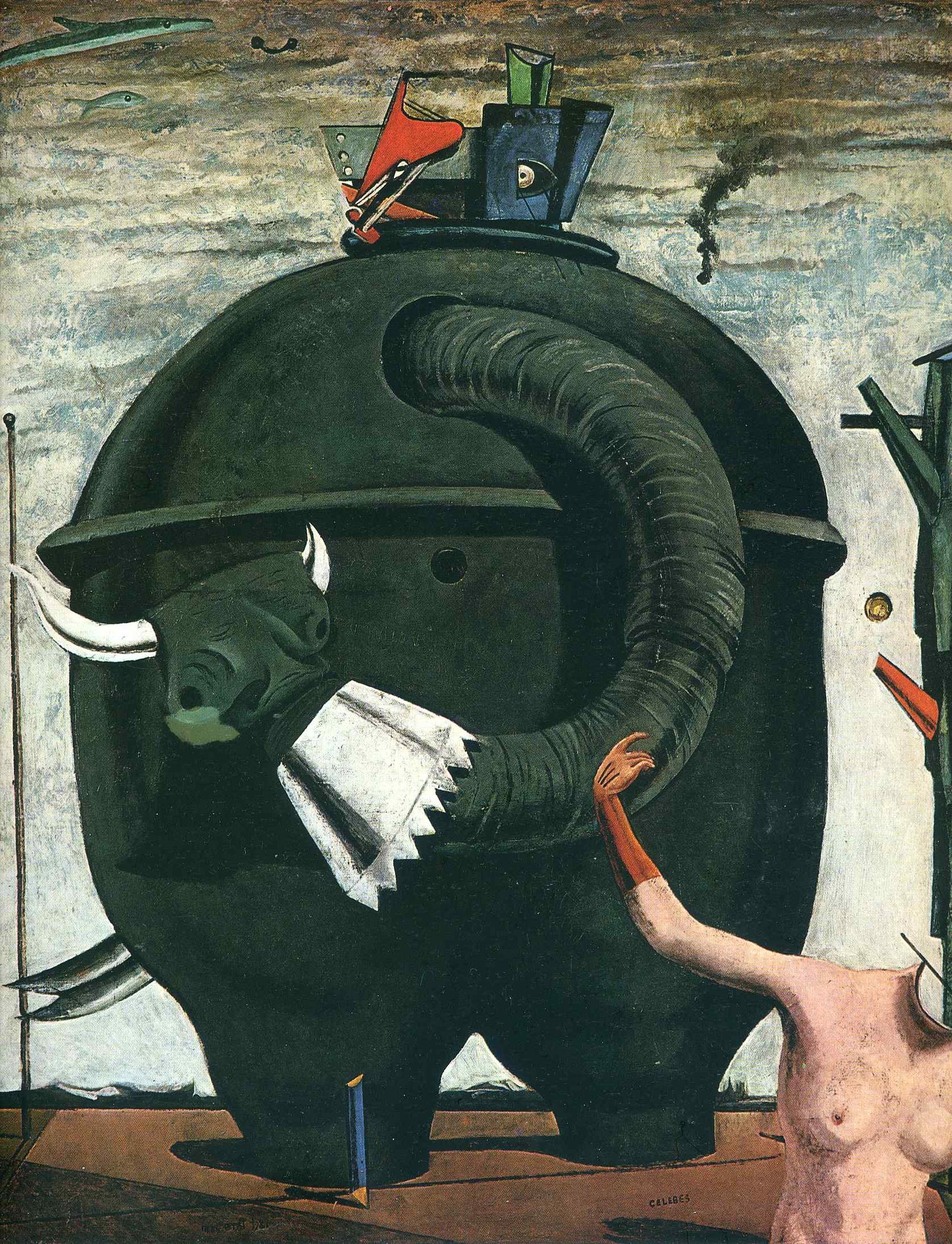
Hyper-Realist
Hyper-Realist Surrealism bridges the gap between ordinary reality and bizarre hallucinations by placing recognizable, everyday objects into impossible, dreamlike situations. Artists paint these illogical combinations with crisp, photographic clarity, dramatic lighting, and deep, infinite perspectives.